
Growth
The quiet discipline of asking better questions
Some of the best things I have learned started with five honest words: I do not know, tell me more.
By Jim Ikey | Published August 13, 2026 | About 4 minutes
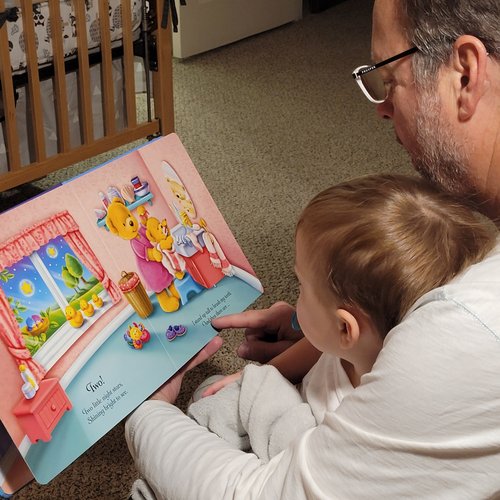
Some of the best questions begin with patient attention.
I have spent enough years in business and life to know that confidence can walk into the room a few steps ahead of wisdom. A sincere question has a way of slowing us down long enough to learn something.
My favorite questions are usually simple: What am I missing? How did you learn that? What matters most here? And sometimes the best question is no question at all. It is simply giving another person enough quiet to finish the story.
Curiosity keeps pride in check
Asking questions does not make us look weak. It reminds us that every person knows something we do not. I have learned from family, friends, pastors, coworkers, clients, and people I met only once.
Curiosity also makes conversations better. People can tell when we are waiting to speak and when we are actually listening. A good conversation leaves both people with something to think about.
Listen long enough to learn something
There is no prize for being the fastest person with an answer. Sometimes wisdom arrives after a pause, a second cup of coffee, or a sentence that begins, “Tell me more about that.”
I am still learning to ask better questions. I hope I never outgrow the habit, because life stays interesting when we stay teachable.